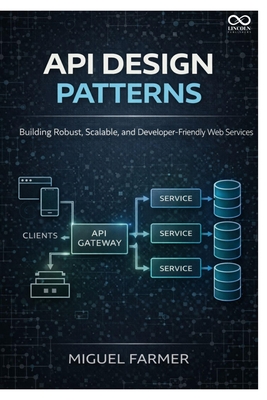
APIs are products. Poorly designed ones fail quietly-and expensively. APIs sit at the center of modern software systems, yet many are built without clear design principles, long-term thinking, or developer experience in mind. This book provides a practical, pattern-driven approach to designing APIs that are robust, scalable, and easy to use . API Design Patterns focuses on real-world tradeoffs, consistency, and evolution-helping you design interfaces that survive growth, change, and heavy usage. What You'll Learn ...
Read More
APIs are products. Poorly designed ones fail quietly-and expensively. APIs sit at the center of modern software systems, yet many are built without clear design principles, long-term thinking, or developer experience in mind. This book provides a practical, pattern-driven approach to designing APIs that are robust, scalable, and easy to use . API Design Patterns focuses on real-world tradeoffs, consistency, and evolution-helping you design interfaces that survive growth, change, and heavy usage. What You'll Learn in This Book Core principles of effective API design Common API design patterns and when to apply them Designing stable, predictable request and response models Versioning strategies that avoid breaking clients Error handling patterns that improve developer experience Authentication, authorization, and security considerations Designing APIs for scale, performance, and long-term maintenance This book emphasizes clarity and durability , not trends or framework-specific advice. Who This Book Is For This guide is ideal for: Backend and full-stack developers Software architects and technical leads Engineers designing public or internal APIs Teams building platform or integration layers Developers responsible for long-lived web services Basic experience with web APIs is recommended. Why API Design Patterns Matter Bad APIs create hidden costs: Fragile integrations Frequent breaking changes Confusing documentation High support overhead Well-designed APIs: Scale with teams and usage Reduce coordination costs Enable faster development Improve adoption and trust This book teaches you how to design APIs intentionally , not accidentally.
Read Less